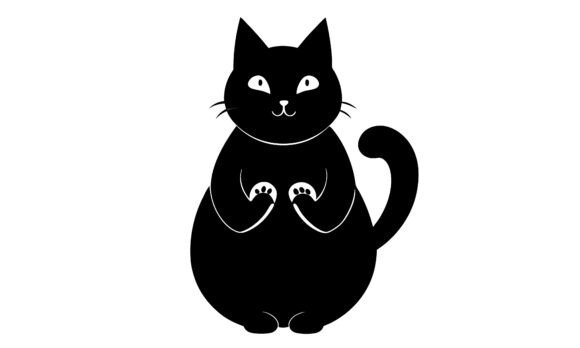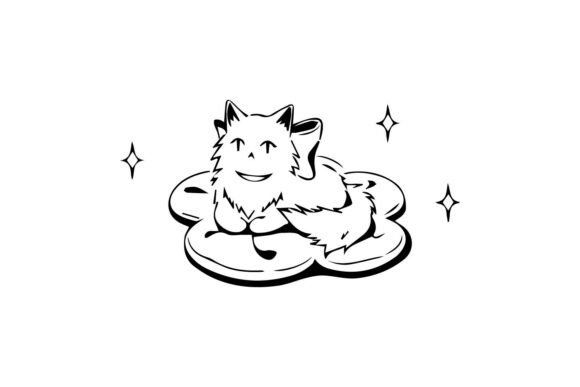
Hand Drawn Cute Cat Illustration Art
A Designer’s First Look: Charm with Purpose
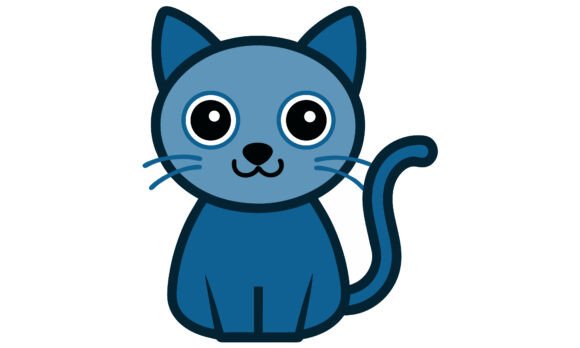
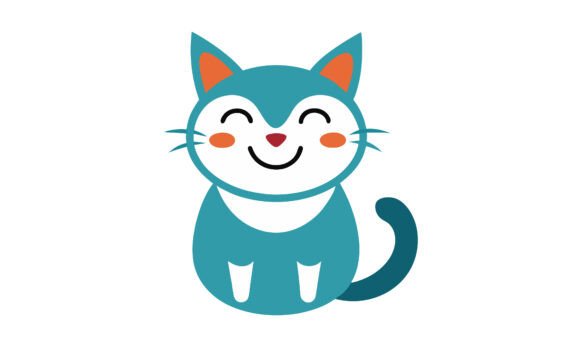
When I opened the Hand Drawn Cute Cat Illustration Art bundle, my first thought wasn’t “how adorable”—it was “where does this live in real life?” As someone who’s stitched hundreds of custom projects for Etsy sellers, boutique owners, and craft fair vendors, I scan for intentionality before charm. And this collection delivers both. The lines feel warm and intentional—not overly tight or rigid—suggesting it was drawn by hand, then carefully vectorized without losing breath or gesture. That matters. A cat illustration with too much symmetry reads like clip art; this one leans slightly, blinks asymmetrically, and carries soft, rounded weight in its limbs and ears. It doesn’t shout—it invites. That makes it ideal for products where subtlety builds connection: baby onesies, linen tea towels, minimalist pillow covers, and embroidered patches meant to be worn daily, not just displayed.
Where It Shines in Real Embroidery Projects
I tested a single motif from the Hand Drawn Cute Cat Illustration Art bundle on a medium-weight cotton tote bag—my go-to for client mockups—and the result felt cohesive and handmade, not digital. The curves translated cleanly into satin stitch, and the minimal internal detail (a single whisker line, gentle ear contour) held up beautifully at 3.5" wide. On sweatshirt fabric? With proper cutaway stabilizer, yes—it retained its lightness without sinking into the pile. For baby embroidery, I’d choose the simplest cat pose (no tiny paws or nested shapes) and pair it with low-density fill stitches to keep the backside soft against delicate skin. As a holiday embroidery option, it works especially well on kitchen towels or aprons—friendly but not cloying, festive without being seasonal. And for an Etsy seller building a consistent brand around gentle, nature-adjacent aesthetics? This is a quiet anchor design: versatile enough for a printable mockup, refined enough for a boutique product line, and distinctive enough to stand out in a sea of generic animal motifs.
Where to Pause—and Why
This isn’t a one-size-fits-all machine embroidery design. Its hand-drawn quality means some outlines have slight tapering and variable weight—lovely on screen, but tricky on curved surfaces like caps or tightly stretched hoops under 4". I wouldn’t push it below 2.75" without checking how fine lines hold up in running stitch or whether small eyes blur into fill stitch density. On dark fabric, contrast becomes critical: light thread colors may need an extra underlay or a subtle outline stitch to stay legible. Stretchy fabrics demand careful hooping and possibly a tear-away + cutaway hybrid stabilizer—especially around the cat’s rounded belly or ear tips, where tension shifts easily. And while the bundle includes multiple poses, avoid stacking more than two cats in one hoop unless you’ve confirmed stitch density won’t overwhelm lightweight fabric or create stiff, bulky seams on apparel.
What It Adds to Your Finished Product
The Hand Drawn Cute Cat Illustration Art elevates perceived value—not because it’s flashy, but because it signals care. Customers notice when a design feels considered, not copied. That translates directly to trust: a parent buying a personalized gift recognizes craftsmanship in the curve of a tail; a small shop owner sees how effortlessly it fits their existing color palette; an embroidery business gains credibility when clients receive something that looks hand-finished, even if stitched digitally. It also supports brand consistency across formats—whether used as a standalone embroidered patch, scaled down for a tea towel monogram, or layered into a larger nursery decor set. Most importantly, it avoids visual fatigue. Unlike high-detail, densely stitched motifs, this design stays readable after repeated washing and wear—critical for handmade product longevity and customer satisfaction.
Practical Notes Every Embroidery Designer Should Check
- Test first—Always run a sample on scrap fabric matching your final project’s weight and stretch.
- Review thread colors—The charm of this design lives in contrast: try matte pastels on oat linen or deep charcoal on cream cotton to honor its hand-drawn warmth.
- Inspect small details—Zoom in on eyes, paw pads, and whiskers in your embroidery software. If they’re under 0.8mm wide, consider simplifying or reinforcing with a single running stitch outline.
- Confirm hoop size and placement—Its organic shape benefits from generous negative space. Don’t crowd it—especially on curved items like caps or pillow corners.
- Check licensing—Since this is a Graphics bundle marketed for Crafts, verify whether commercial embroidery rights are included before selling finished embroidered goods or digital embroidery files.
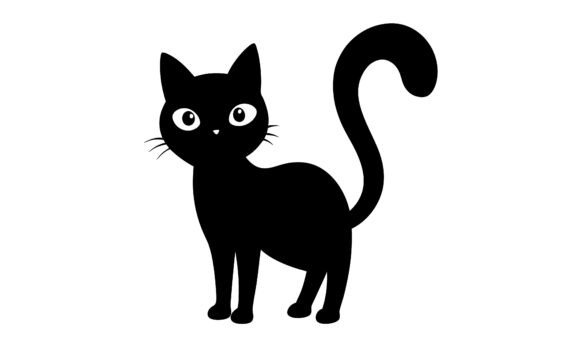
- Mock it in black and white—A strong silhouette is non-negotiable for embroidery clarity. If the cat loses identity without color, adjust stitch type or density before stitching.
- Use stabilizer intentionally—Lightweight cutaway for stable fabrics, mesh + tear-away for knits, and always test washability if the item will be laundered frequently.
Final Thought: Not Just a Design—A Design Decision
Choosing the Hand Drawn Cute Cat Illustration Art isn’t about picking “cute.” It’s about choosing clarity of voice—selecting a design that aligns with your audience’s values (gentleness, authenticity, quiet joy), supports your production reality (hoop size, fabric types, time per piece), and scales gracefully across your craft business—from a single personalized gift to a full line of small shop merchandise. It won’t solve every embroidery challenge, but it answers a very real one: how to make something handmade feel both intentional and effortless. And in today’s market, that balance is rare—and valuable.